

By Abate Hailu, African View
As I recently followed reports on the worsening humanitarian crisis in Sudan, I found myself reflecting on two field experiences that continue to shape my understanding of humanitarian work. Although three years have passed, the memories remain remarkably vivid. They remind me that while conflicts may fade from the headlines, they never disappear from the lives of those forced to live through them.
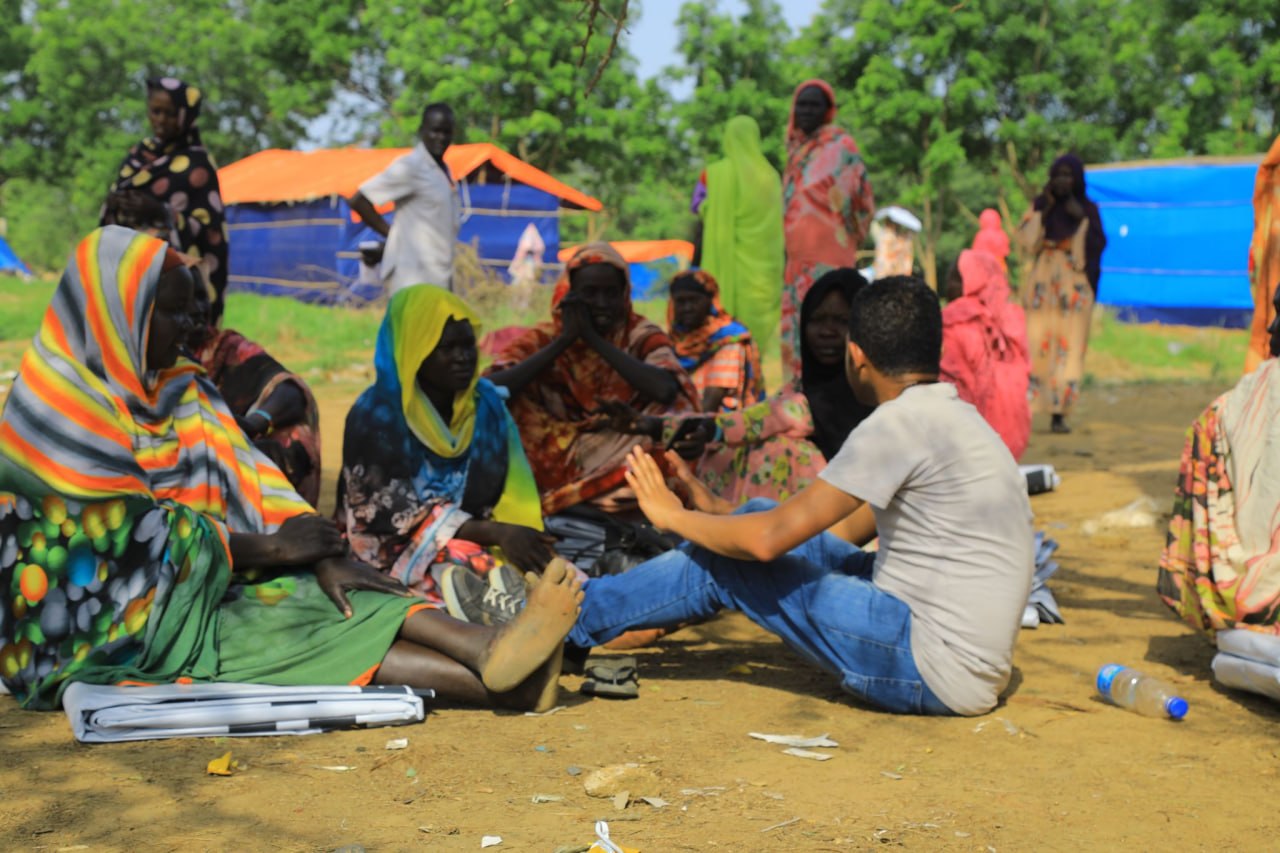
Three years ago, in July 2023, while working with the Ethiopian Red Cross Society, I travelled to Assosa in Ethiopia's Benishangul-Gumuz Region as part of an emergency humanitarian response aimed at providing essential non-food items to people escaping the conflict in Sudan. During those few hours, one conversation left a lasting impression on me.
A newly arrived refugee quietly said:
"I've never come here. I didn't know where I was going."
Those words have stayed with me ever since.
They were not simply about crossing a border. They reflected the uncertainty, fear and loss experienced by people forced to flee violence with little knowledge of where they would find safety. At that moment, I realised that behind every humanitarian response is a person whose life has been profoundly disrupted.
A year earlier, in 2022, I travelled to an internally displaced persons (IDP) site in Debre Birhan, North Shewa Zone of Ethiopia's Amhara Region, to participate in a humanitarian needs assessment. Nearly 19,000 people were living in temporary shelters after being displaced by conflict. I witnessed government institutions, local organisations and international humanitarian agencies working tirelessly to provide emergency assistance despite limited resources.
The response was remarkable, but so too was the scale of the need. The faces of children separated from normal childhood, mothers uncertain about tomorrow, older people who had lost their homes and families living without knowing when—or if—they could return remain impossible to forget.
Those two experiences transformed how I understand humanitarian work.
Too often, humanitarian action is viewed through numbers: the amount of aid delivered, the number of shelters built or the people reached. These indicators matter, but they do not tell the whole story.
The true value of humanitarian work is found in protecting dignity during people's most difficult moments. It is reflected in restoring hope to families who have lost everything, creating safe spaces for children, supporting women facing heightened protection risks, and ensuring that older people are not left behind.
The ongoing conflict in Sudan reinforces this reality. Millions of people continue to face displacement, insecurity and increasing humanitarian needs. Women and children remain disproportionately affected, while humanitarian organisations continue working under extremely difficult conditions to deliver life-saving assistance. Yet emergency response alone cannot resolve prolonged crises.
Humanitarian action saves lives, but it cannot by itself rebuild livelihoods, restore education, strengthen health systems or create lasting peace.
This is why humanitarian assistance, sustainable development and peacebuilding must be seen as complementary rather than separate efforts. Humanitarian response addresses immediate needs. Development helps communities recover and become more resilient. Peacebuilding tackles the underlying causes of conflict, reducing the likelihood of future displacement.
Equally important is recognising the role of local actors. Across every crisis I have witnessed, local communities, volunteers, civil society organisations and government institutions have been the first to respond and the last to leave. Their knowledge, commitment and leadership are essential to delivering effective and sustainable humanitarian action.
As someone privileged to witness humanitarian work firsthand, I have come to believe that its greatest success is not measured solely by operational outputs. It is measured by the hope restored to a displaced family, the dignity preserved for an older person, the protection provided to a vulnerable woman and the opportunity created for a child to imagine a future beyond conflict.
Humanitarian work deserves to be valued not only because it responds to emergencies, but because it protects our shared humanity.
As conflicts continue to displace millions around the world, governments, donors, humanitarian organisations and development partners must strengthen their commitment to people-centred, locally led and sustainable responses. Emergency relief must be accompanied by investments in recovery, resilience and peace so that affected communities are not left surviving indefinitely, but are empowered to rebuild their lives with dignity.
When the headlines fade, our responsibility should not.
Because the lasting value of humanitarian work is found not in the supplies delivered, but in the lives it touches.
Comments