

By Yodit Admasu | African View Reporter
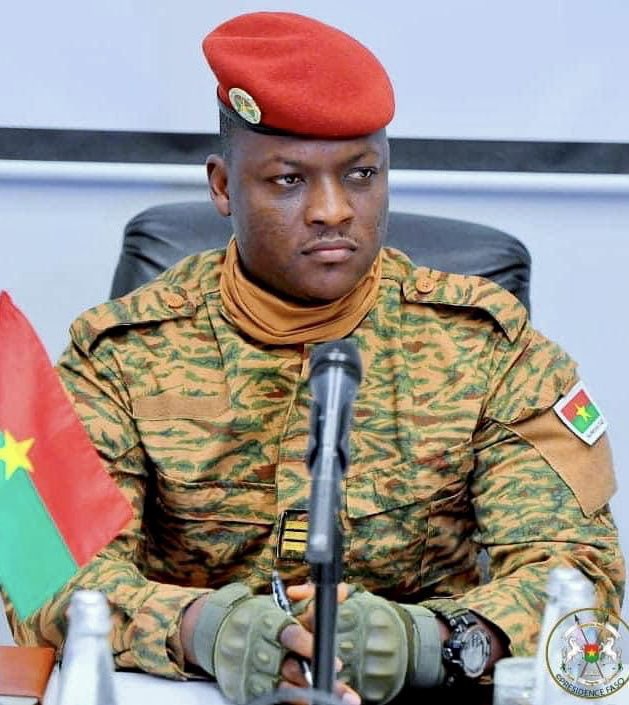
Not yet in his forties, Burkina Faso's strapping young leader Ibrahim Traoré has become one of Africa's most talked-about figures, praised by supporters as a symbol of sovereignty and self-reliance, and watched closely across the continent.
Since taking power in 2022, Traoré has advanced an ambitious development agenda centred on food security, industrialisation, and greater national control over resources, with visible impacts on ordinary citizens.
His agenda is bold and direct. At its core is a simple but powerful priority: feeding the nation.
Through expanded irrigation, fertiliser support, farm mechanisation, and seed distribution, Burkina Faso has moved aggressively toward food self-sufficiency. Farmers have received tractors and equipment, while rural production has been scaled up.
For many Burkinabè families, this is more than policy; it means food on the table.
Traoré has also championed local industry, from tomato processing plants and dairy production to textile promotion and early electric vehicle assembly initiatives. The message is clear: add value to African products, process more at home, import less, and create jobs.
Infrastructure and resource reforms have been another major focus. His government has pushed road-building and aviation development projects while seeking greater national control over gold-mining revenues, arguing that Burkina Faso should fully benefit from its own wealth.
Across social media and on the streets of Ouagadougou, Traoré is often compared to Thomas Sankara, invoking ideals of dignity, self-reliance, and African-led development.
Burkina Faso's strides are resonating far beyond its borders, prompting a larger question: Can African countries chart their own development?
Traoré's energetic push and emphatic answer is yes.
He appears driven by urgency as though racing to reverse years of stagnation and dependency in the shortest time possible, determined to move his people toward long-sought development and self-sufficiency, despite scepticism and daunting odds.
And that may be why, for a growing number of Africans, Burkina Faso has become more than a country in transition; it has become a story of possibility.
Comments